
Nicolas Chagnet
Doctor in theoretical physics turned data scientist: from modeling black holes to optimizing IKEA's logistics.
Welcome to my homepage and digital garden. On this website, you can find some of my musings as blog posts and some side projects I've worked on. I also maintain a Linklog, a collection of links to interesting content I've found on the web.
I like to write about topics I'm passionate about or about puzzles and concepts I encounter in my work, as a way to work through them. I'm a physicist by training and a data scientist by trade, so naturally a lot of my posts are about physics and data science.
I also publish all my open-source projects on my forge.
Not sure where to start? Here is what you can find in my blog:
- deep dives on quantum mechanics and entropy,
- an introduction to Bayesian methods for data scientists,
- some deep dives for data scientists on model deployment and on using DuckDB for data handling,
- some posts appreciating the Rust programming language and the Jujutsu VCS,
- some side projects exploring optimization methods applied to Pokémon team building or finding lowest energy states for Ising spins,
- and many more...
You can follow my latest content via RSS feed. If you'd like to contact me, just email me.
Recent posts
-
Some random thoughts about AI
Some disorganised, cluttered thoughts about the rise of AI in my life.
-
Making decisions with Jev
A simple illustration of how TypeSafe's Jev works using a homemade code-quality CLI tool.
-
Pre-push hook with Jujutsu
My homemade recipe for enabling pre-push hooks with Jujutsu.
-
Owning your model deployment
A guide for data scientists on how to handle the deployment of your models, and how to maintain them in production.
-
Working with CSS a decade later
Rediscovering frontend work in a world of React and Tailwind.
-
Releasing `@nchagnet/remark-uv`
A quick project for a long weekend.
Projects
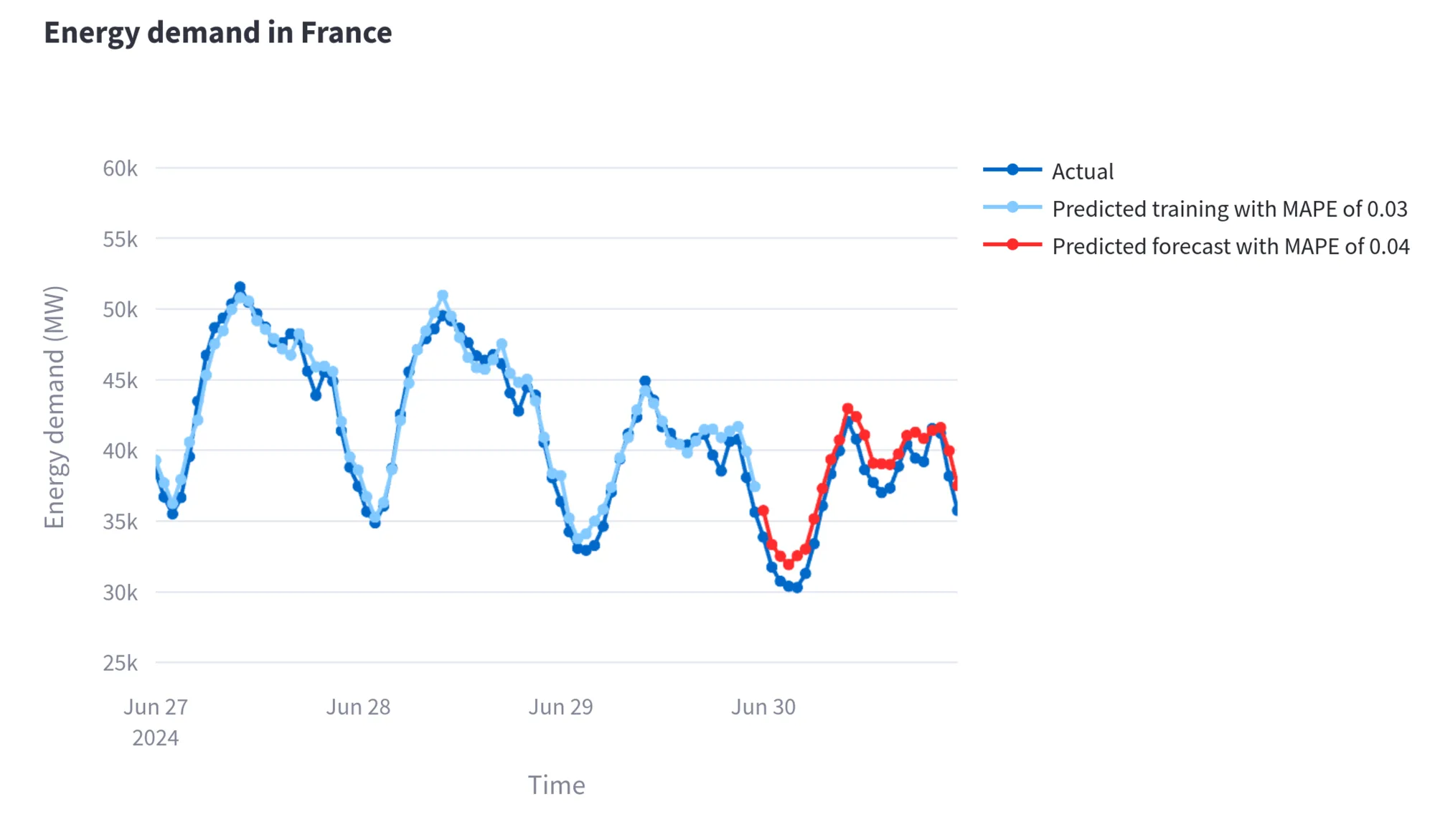
Energy demand forecast
Forecast of energy demand in France. The data is periodically fetched from the European Network of Transmission System Operators for Electricity API and the model automatically re-trained.
Read more on this blog post.
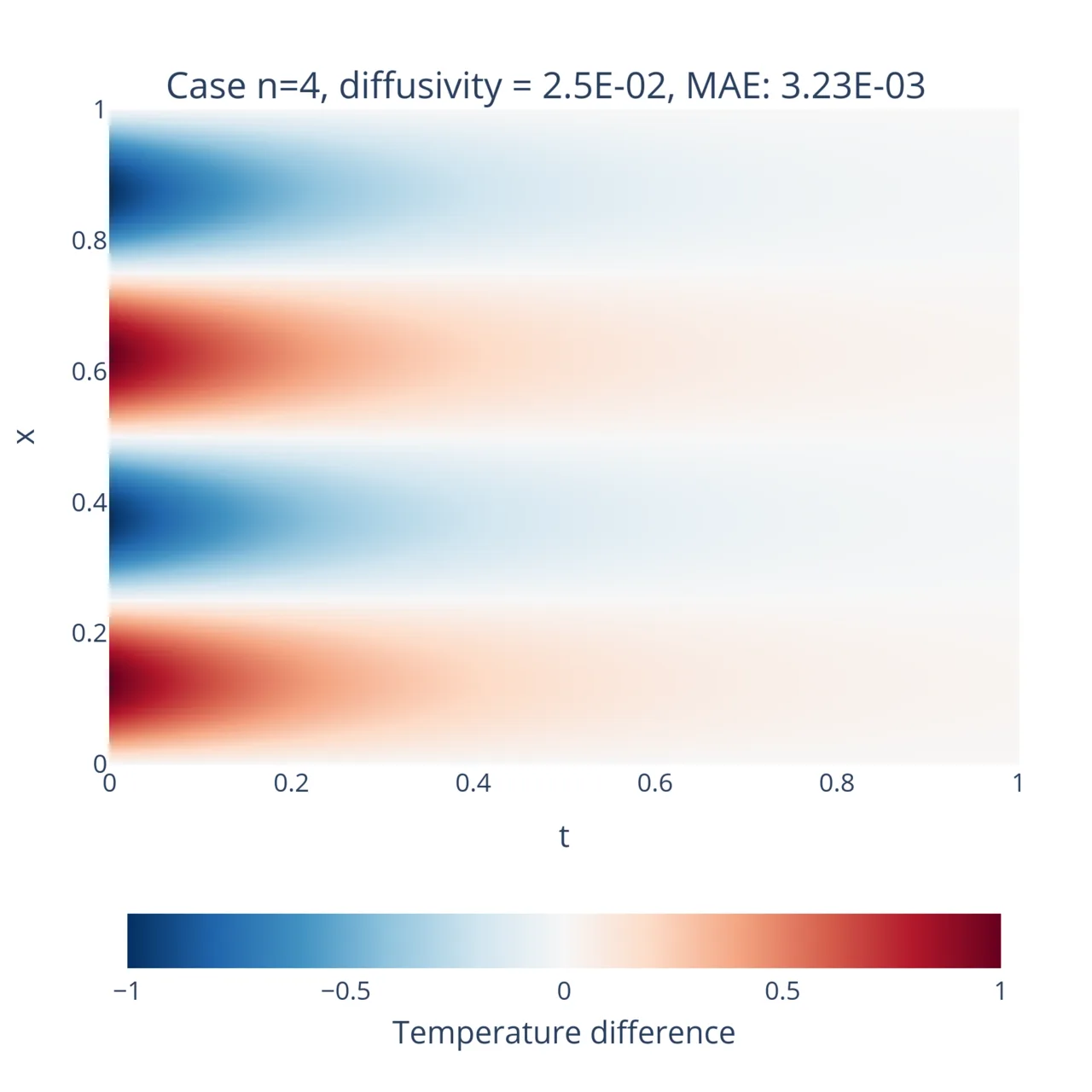
Physics-informed neural networks
Applied deep learning methods to solve differential equations with applications in physics.
Read more on this blog post.
Pokemon team optimizer
This project is about finding optimal Pokemon teams using optimization solvers. An optimal team must maximize the base total stat while maximizing the type coverage to reduce weaknesses.
LLM commit message tool
Small CLI tool used to generate commit messages using local LLMs.
Read more on this blog post.
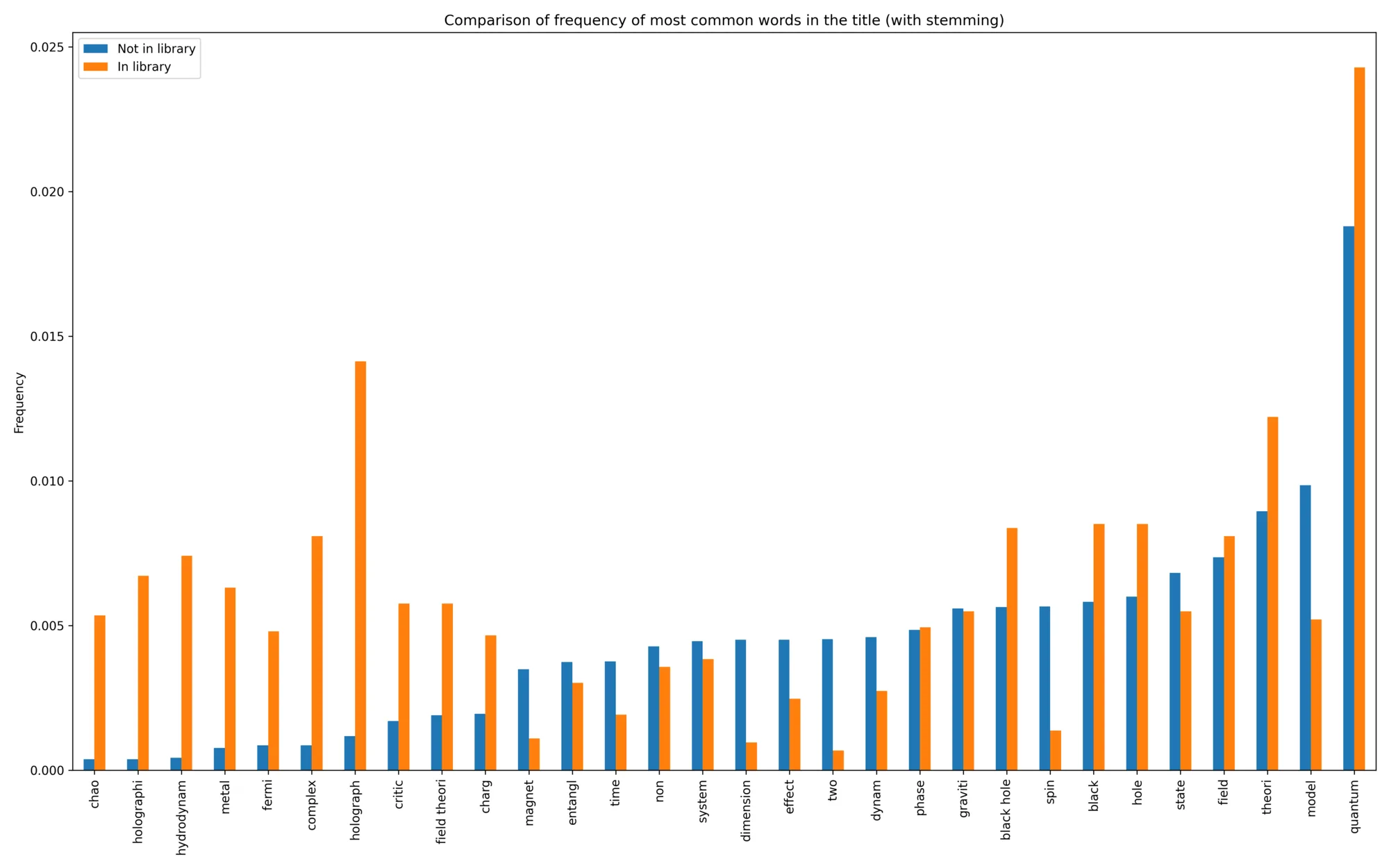
arXiv recommendations
Content-based recommendation system of scraped arXiv articles. The model uses cosine similarity to recommend articles and topic clustering to encode authors by the topic in which they work.
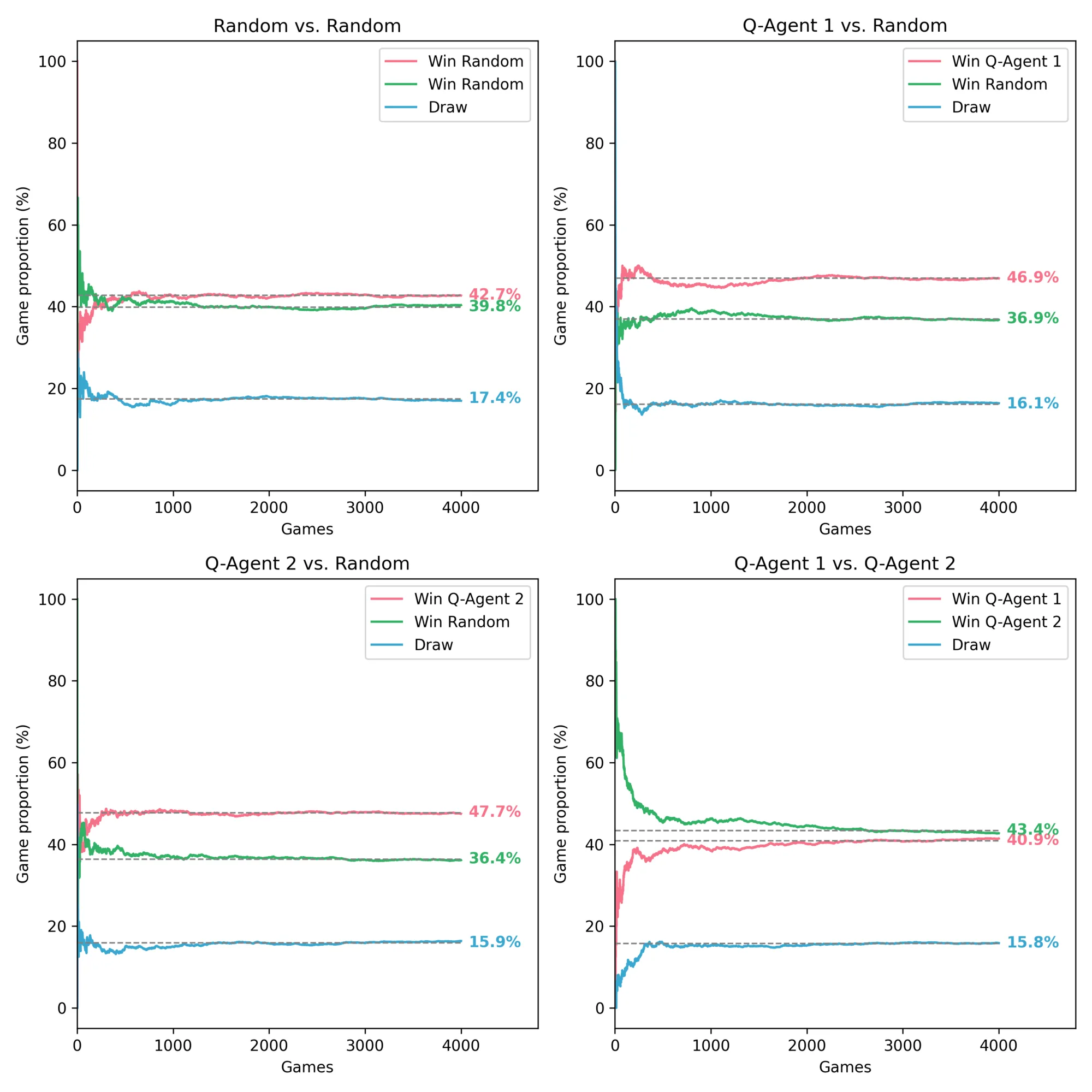
Dice game AI agent
Simple AI agent learning to play the French dice game '421'. The game is implemented in the gymnasium environment and the agents are trained using Q-learning methods.
Ising model numerics
Numerical simulation of Ising spins under thermal fluctuations showcasing the transition between ferromagnets and paramagnets. The simulation is achieved with both Monte-Carlo sampling methods and genetic algorithms.
Read more on this blog post.